
Danganronpa
Advertisement
Games Overview
Explore Danganronpa APK, a gripping psychological mystery game featuring intense investigations, and a dark story filled with twists that challenge your logic and morality.
Table of Contents
Danganronpa APK — The Ultimate High-Stakes Mystery Where Every Choice Could Be Your Last
In the crowded universe of narrative-driven games, only a handful manage to truly challenge both the intellect and emotions of players. Danganronpa stands firmly among those rare titles. Blending psychological suspense, investigative gameplay, and intense courtroom drama, it delivers an experience that feels less like a traditional game and more like a gripping interactive thriller. The mobile adaptation captures that same electrifying formula, transforming smartphones into portals of tension, deduction, and moral dilemmas.
Created by Spike Chunsoft, the series has earned global acclaim for redefining what visual novel storytelling can achieve. Its success lies not in flashy action but in its razor-sharp writing, unforgettable characters, and a narrative structure that constantly challenges expectations.

A Deadly Game Disguised as School Life
The story begins with a group of prodigies invited to attend an elite academy reserved only for students recognized as the best in their respective talents. What should have been a dream opportunity quickly becomes a nightmare. The school is sealed off, escape is impossible, and the students learn a horrifying rule: the only way to leave is to kill a classmate and avoid being exposed.
Overseeing this twisted system is Monokuma, a robotic bear who acts as judge, host, and manipulator. He introduces motives designed to provoke violence, encouraging suspicion and paranoia among the group. His cheerful tone contrasts chillingly with the brutality of his rules, creating an unsettling atmosphere that defines the entire experience.
The premise is simple yet devastatingly effective. Friendship becomes fragile. Trust becomes dangerous. And every conversation feels like it could hide a hidden agenda.
Writing That Feels Like a Psychological Novel
The narrative depth comes largely from the vision of Kazutaka Kodaka, whose storytelling style blends dark humor, philosophical themes, and shocking twists. Dialogue is extensive and layered, often planting subtle clues long before their significance becomes clear. Players must pay attention not only to what characters say but also how they say it.
What makes the writing exceptional is its unpredictability. Plot twists rarely follow conventional mystery formulas. Instead, each chapter recontextualizes previous events, forcing players to reconsider their assumptions. Revelations arrive with emotional weight, not just intellectual satisfaction.
Advertisement
The Core Gameplay Loop: Search, Analyze, Confront
Danganronpa’s structure revolves around a cycle that repeats with increasing intensity:
Daily Life Phase
Players interact with classmates, build relationships, and learn more about personalities and backstories. These segments create emotional investment. The more time spent bonding, the harder later events hit.
Deadly Life Phase
When a murder occurs, exploration begins. Players investigate crime scenes, gather evidence, and question suspects. Observational skills are crucial, as every detail may become vital during the trial.
Class Trial Phase
Trials transform dialogue into action. Students debate, accuse, and defend themselves while players use collected evidence to challenge false statements. Logical contradictions must be exposed, and truth bullets must be fired at the right moment. This phase blends puzzle solving with rapid-fire reasoning, producing a uniquely thrilling gameplay experience.
The result is a loop that constantly builds tension. Calm exploration suddenly shifts into high-stakes debate, keeping players engaged for hours.

Characters With Hidden Depths
At first glance, each student appears to embody a single exaggerated trait tied to their “ultimate” talent. Yet as the story unfolds, these surface impressions begin to crack. Personal histories, fears, and secrets emerge, revealing that nobody is as simple as they seem.
This layered characterization is essential. When accusations fly during trials, they carry emotional weight because players have spent time learning about these individuals. Suspecting someone you once trusted creates a moral conflict that standard mystery games rarely achieve.
Visual Style That Reinforces the Mood
The game’s art direction is instantly recognizable. Characters are illustrated in bold anime-inspired designs, while environments use stylized contrasts between bright colors and ominous shadows. This visual clash mirrors the narrative’s central theme: hope versus despair.
Animations during trials heighten drama. Character portraits shift expressions rapidly, reflecting panic, anger, or deception. Even small details—such as a nervous glance or sudden grin—can signal hidden motives. These visual cues become part of the investigative process, encouraging players to read body language as carefully as dialogue.
Sound Design and Atmosphere
Audio plays a major role in maintaining suspense. Background music adapts to the situation, shifting from calm melodies during exploration to intense rhythms during debates. Sound effects emphasize critical moments, such as presenting evidence or exposing contradictions.
Voice performances further enhance immersion. Each character speaks with distinct tone and personality, making conversations feel natural and dynamic. The combination of music, voices, and pacing creates an atmosphere that keeps players on edge throughout the entire story.
Themes Beneath the Surface
Although framed as a murder mystery, the narrative explores deeper philosophical ideas. It repeatedly questions whether hope can survive in an environment designed to produce despair. Characters must choose between self-preservation and morality, often facing decisions with no clear right answer.
The story also examines how fear affects perception. Under pressure, people misinterpret evidence, suspect allies, and justify questionable actions. These psychological elements give the game a sense of realism despite its stylized presentation.
Evolution Across Installments
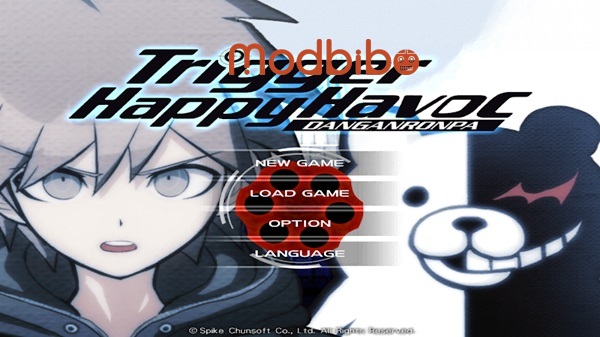
The franchise grew through multiple titles, each expanding on its predecessor’s mechanics and narrative scope. Danganronpa: Trigger Happy Havoc introduced players to the deadly school concept. Danganronpa 2: Goodbye Despair expanded the scale and complexity of mysteries. Later, Danganronpa V3: Killing Harmony experimented with structure and storytelling techniques, challenging player expectations in bold ways.
Each installment maintains the core formula while adding new mechanics, characters, and twists. This balance between familiarity and innovation keeps the series fresh across entries.
Why the Mobile Version Works So Well
Story-driven games often adapt surprisingly well to mobile platforms, and this title is no exception. Its tap-based navigation suits touchscreens perfectly, making investigation intuitive. Dialogue flows smoothly, and trial mechanics remain responsive, preserving the intensity of debates.
Advertisement
Portability also enhances engagement. Because chapters frequently end with cliffhangers, players can continue the story immediately wherever they are. This accessibility strengthens immersion, allowing the narrative to unfold at the player’s pace without losing momentum.
Emotional Investment Through Interaction
Unlike passive storytelling mediums, this game requires active participation. Players are not just observers but investigators responsible for uncovering truth. Every accusation made during a trial carries weight because it stems from personal deduction.
This sense of agency deepens emotional involvement. Solving a case feels rewarding because it results from careful reasoning rather than scripted progression. Conversely, making a mistake can feel genuinely unsettling, reinforcing the tension of each decision.
Cultural Reach Beyond Gaming
The popularity of the franchise extends far beyond its original format. It inspired adaptations including novels, stage productions, and the animated series Danganronpa: The Animation. The distinctive character designs and dramatic storytelling have made it a favorite subject for fan art and cosplay communities worldwide.
Such cross-media success reflects the strength of its worldbuilding. The academy setting, the rules of the killing game, and the philosophical conflict at its core create a universe that audiences continue to explore long after finishing the story.
What Makes It Stand Out in the Genre
Several qualities distinguish this title as a landmark in narrative gaming:
-
Intricate mysteries that demand logical thinking
-
Richly developed characters with evolving personalities
-
Innovative trial mechanics blending puzzles and debate
-
A striking art style that reinforces tone
-
Themes that encourage reflection on morality and human nature
These elements combine to form an experience that appeals to both mystery enthusiasts and fans of character-driven storytelling.
Lasting Replay Value
Even after completing the main storyline, many players return to revisit earlier chapters. Knowing hidden truths changes how scenes are interpreted. Conversations that once seemed harmless reveal subtle foreshadowing, and character actions gain new meaning when viewed with full context.
Bonus modes and additional interactions provide further incentives to replay. These extras deepen understanding of the cast and expand on lore, rewarding those who want to explore every aspect of the narrative.

Final Verdict
Danganronpa proves that a game does not need massive open worlds or constant combat to captivate audiences. Its strength lies in storytelling precision, emotional intensity, and intellectual challenge. By combining investigation, debate, and psychological drama, it delivers an experience that feels uniquely immersive.
For players who appreciate mysteries that test reasoning skills and narratives that provoke thought, this title offers something truly special. It is a journey through suspicion, trust, and revelation—a story that lingers in the mind long after the final verdict is delivered.